


As a High Performance Learning World Class School, we are part of a global community committed to developing advanced thinking skills and learning behaviours in every pupil.
At its most basic level High Performance Learning is about teaching pupils how to learn. More broadly, it is a whole school belief that every child can succeed if given the right opportunities, encouragement, self-motivation and practice. Through carefully structured teaching and support, every pupil is challenged and encouraged to achieve their personal best.
“Your school's culture is one of open to change and committed to continuous improvement. Open and robust collaboration between teachers is widespread and clearly leads to excellent student outcomes.”
Simon O’Grady, CEO of High Performance Learning
Think.
Our High Performance Learning approach develops curious, independent thinkers.
We encourage pupils to question, make connections, analyse and explore ideas in depth.
Over time, key skills become fluent and automatic, allowing them to focus on deeper thinking and new challenges.
Mistakes are part of the process. We celebrate intellectual risk-taking and teach children to reflect, adapt and keep going.
Thrive.
Children grow in confidence as learners when they understand how learning works.
Pupils learn that success comes through effort: practise, perseverance and resilience.
They work with empathy, supporting one another and developing a sense of responsibility for the world around them.
They are encouraged to be open-minded and flexible in their thinking, approaching problems from different angles and exploring new ways forward when something doesn’t work first time.
Trailblaze.
High Performance Learning equips children with the mindset and skills to take on new challenges with confidence. At Westbourne House, they learn to lead, collaborate and communicate effectively, from public speaking and performance to teamwork and leadership opportunities across school life.
Pupils are encouraged to connect their learning, using what they already know to tackle new ideas and listening carefully to others to see the bigger picture. They are also given space to think creatively, developing and sharing ideas with flexibility and imagination both in the classroom and in real contexts such as projects, productions and problem-solving challenges.
These experiences build resilience, independence and self-belief, which prepares our pupils for senior school, and for life beyond it.
| Think. | |
|---|---|
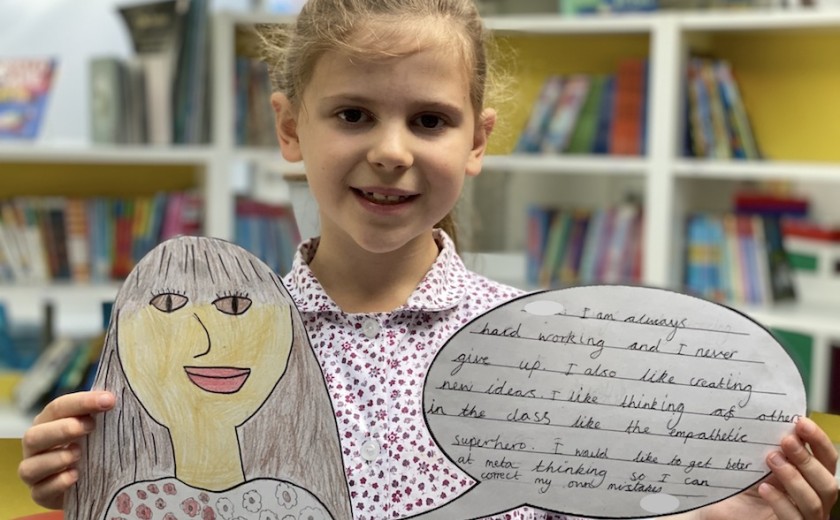
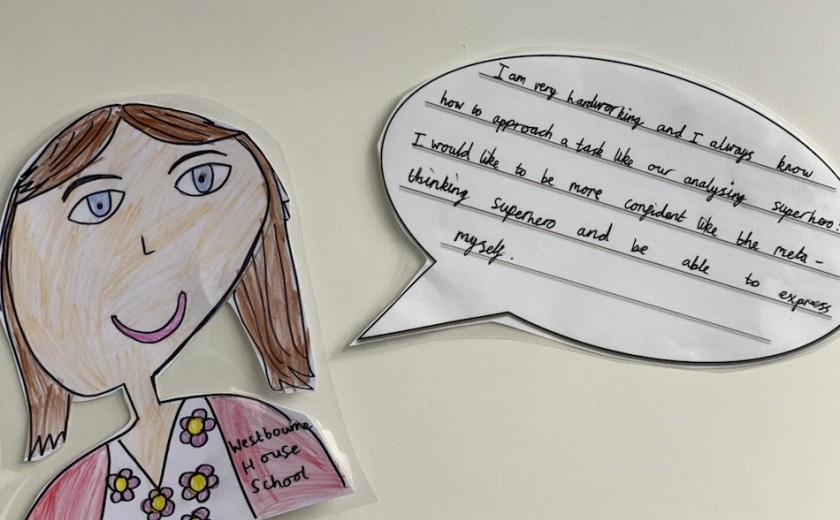
 | Meta-thinking: the ability to think about your thinking and self-regulate because thinking about how you think helps you to be aware of your own strengths and weaknesses and develops intellectual confidence and helps with strategy planning. |
 | Analysing: making sense of information, thinking logically, finding the right approach because being able to break down complex and multi-step problems and working with precision helps to deepen understanding. |
| Realising: using skills accurately and automatically because the more you practise skills the more natural they become and you can deploy them quickly and automatically, leaving your brain free to work on more complex thinking. |

| Thrive. | |
|---|---|
 | Agile: being open-minded and thinking around a problem to explore different paths because it is important to develop an enquiring approach to learning, developing children’s natural curiosity letting them ask questions about their learning and seeking their own ways to find answers. |
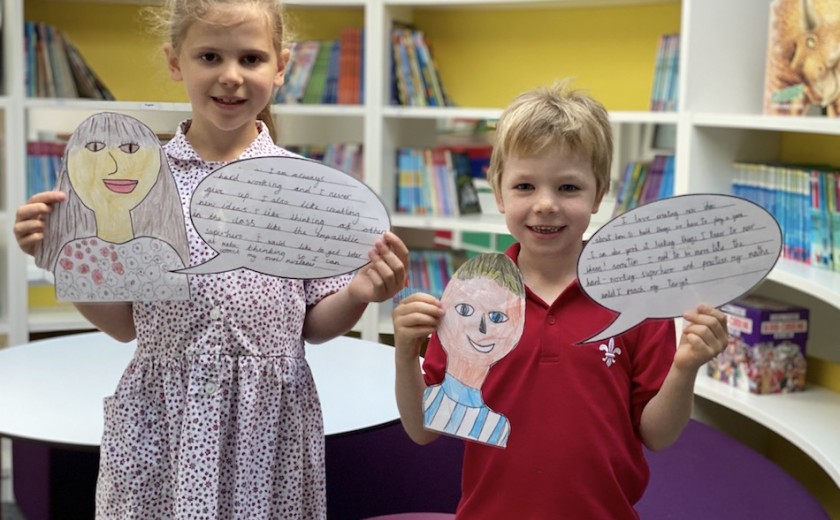
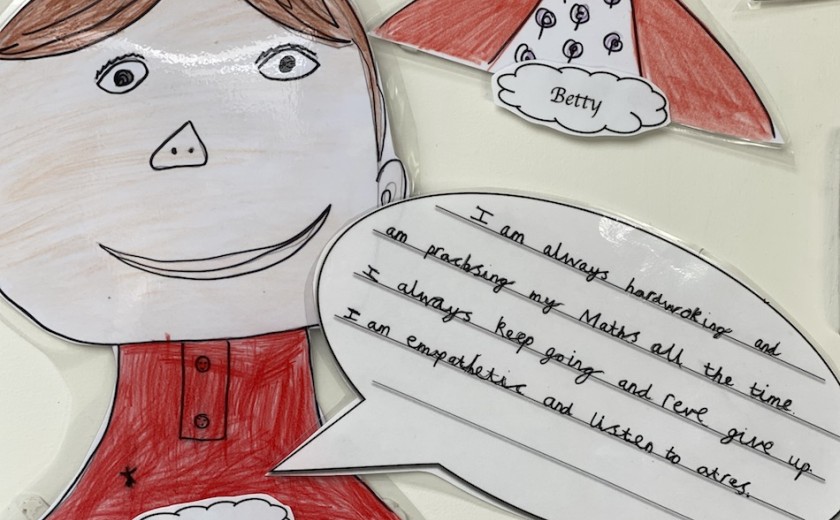
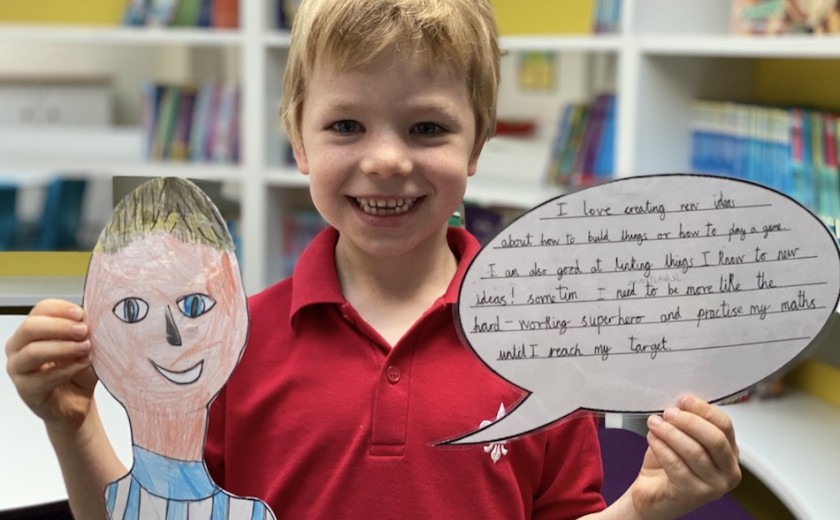
 | Hardworking: deliberate practice and working to reach targets, even when it is hard because no matter how easily you learn you will not be successful in the long run if you don’t practice and have perseverance and resilience to overcome the difficult times |
 | Empathy: listening and looking out for others as part of a team because when you work collaboratively you develop leadership attributes, a concern for society and the confidence to change your beliefs when given additional information. |
| Trailblaze. | |
|---|---|
 | Linking: using the things we already know to understand new ideas and listen to the views of others to see the big picture because academic success comes when individuals are able to construct understanding and meaning by linking and seeing the connections to generalise and make predictions. |
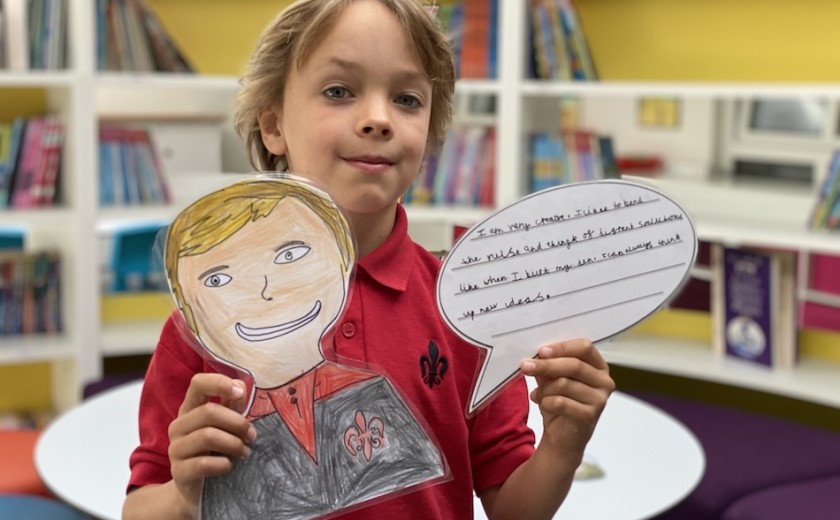
 | Creating: creating new ideas flexibly and fluently because success comes when individuals are able to think creatively and flexibly, shaping and reshaping ideas to respond to new possibilities and challenges. |